


Weighted sled training has become one of the most recognizable forms of modern functional conditioning because it combines strength, cardiovascular demand, coordination, and athletic movement in one straightforward exercise. Whether the goal is improving acceleration, building stronger legs, adding variety to conditioning sessions, or creating a more performance-focused home gym, a training sled can play an important role.
Unlike many stationary exercises, sled work requires the entire body to cooperate. The legs generate force, the core stabilizes the torso, the upper body maintains position, and the cardiovascular system works harder as resistance and distance increase. This makes sled training especially useful for people who want their workouts to feel athletic rather than isolated.
What Makes Sled Training Different?
Traditional strength movements usually involve lifting weight vertically. Sled exercises allow resistance to be moved horizontally across the floor, creating a different training stimulus.
Push variations emphasize the lower body while requiring strong trunk positioning. Pulling or dragging variations can change the direction of resistance and introduce additional demands on the hips, legs, grip, and upper body.
Because the load can usually be adjusted with weight plates, users can easily shift between heavy strength-focused sessions and lighter, faster conditioning work.
Building Lower-Body Power
Strong legs are essential for sprinting, jumping, lifting, and many recreational sports. Sled pushes allow athletes to repeatedly apply force through the ground while maintaining forward movement.
A heavier sled can be incorporated into strength-oriented workouts, while moderate resistance can be useful for repeated efforts and general conditioning.
The important factor is choosing a load that allows controlled movement and good posture rather than simply adding as much resistance as possible.
Sleds for Sports Performance
For athletes, acceleration often matters more than maximum running speed. Football players, soccer players, basketball athletes, combat-sport competitors, and recreational runners all depend on the ability to generate force quickly.
Resistance sleds can complement traditional strength exercises by allowing athletes to train force production in a moving environment.
They also pair naturally with:
- Agility ladders
- Training cones
- Sprint resistance bands
- Resistance parachutes
- Plyometric boxes
- Weighted vests
- Farmer's carry handles
Together, these tools can create a complete athletic performance training area.
Conditioning Without Repetitive Cardio
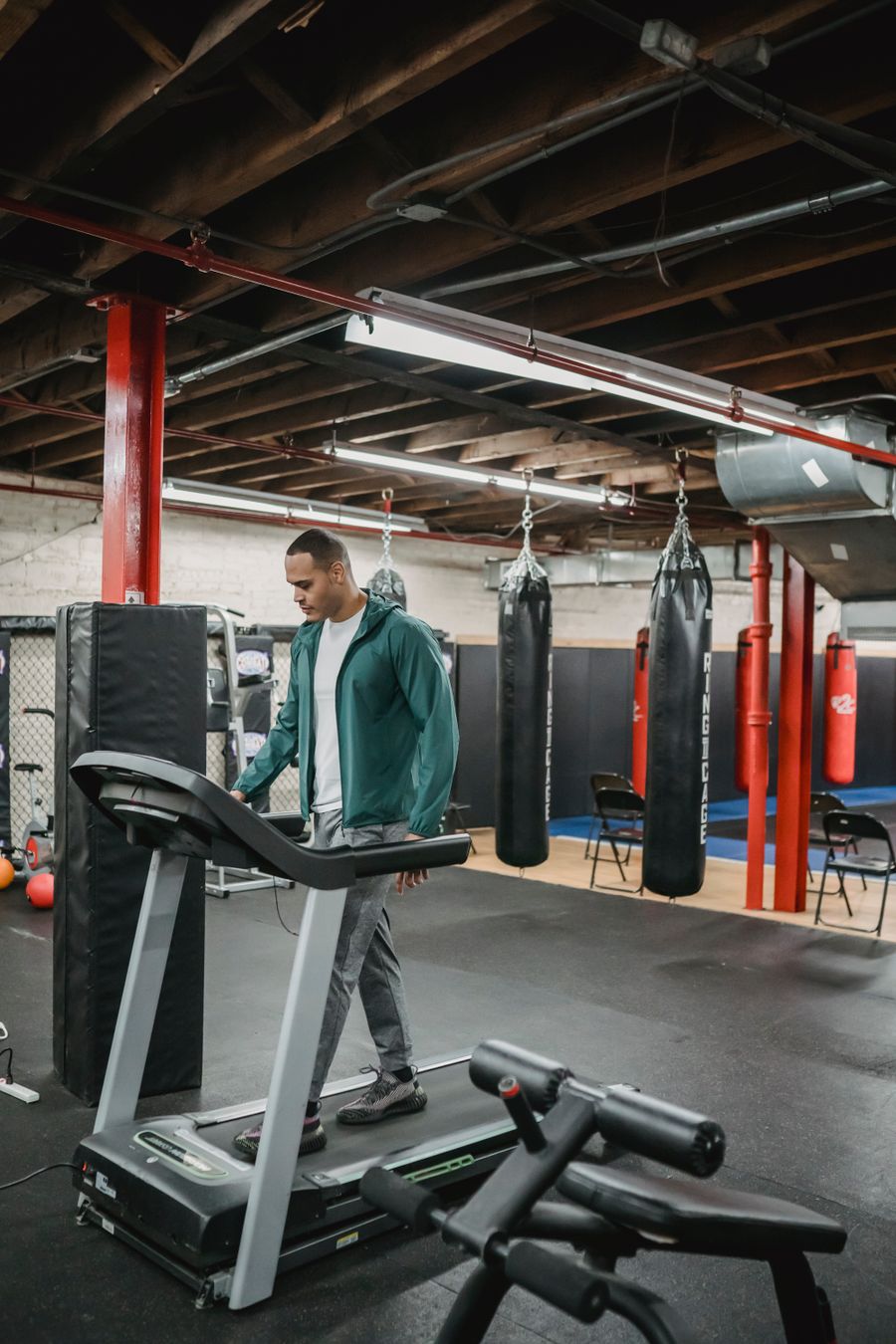
Not everyone wants every conditioning session to revolve around treadmills, exercise bikes, or rowing machines.
Sled workouts provide an alternative.
Short pushes can be incorporated into interval circuits, while longer controlled efforts can challenge muscular endurance. Users can combine sled exercises with battle ropes, jump ropes, kettlebells, or bodyweight movements to create demanding full-body sessions.
Choosing a Training Sled
When selecting a sled, consider durability, loading compatibility, handle positioning, available training space, and surface type.
A versatile sled that accommodates common Olympic weight plates offers more flexibility as strength improves. Adjustable or multi-position handles can also make switching between exercises easier.
For home use, available floor space matters just as much as weight capacity. Outdoor training areas, driveways, turf lanes, and dedicated gym surfaces may provide better environments for longer pushes and pulls.
Technique Comes Before Load
Sled training may look simple, but positioning still matters. Maintain a controlled torso angle, brace the core, keep the movement deliberate, and increase resistance gradually.
Beginners can start with shorter distances and lighter loads before progressing to heavier or longer sessions.
Build Training Around Performance
A good fitness setup should do more than simply hold equipment. It should support different ways of training.
Weighted sleds help bridge the gap between traditional weight training and athletic conditioning. When combined with strength equipment, agility tools, recovery accessories, and cardio equipment, they can contribute to a balanced training environment designed for long-term progress.
For anyone building a performance-driven fitness routine, sled training offers something particularly valuable: strength that moves.