
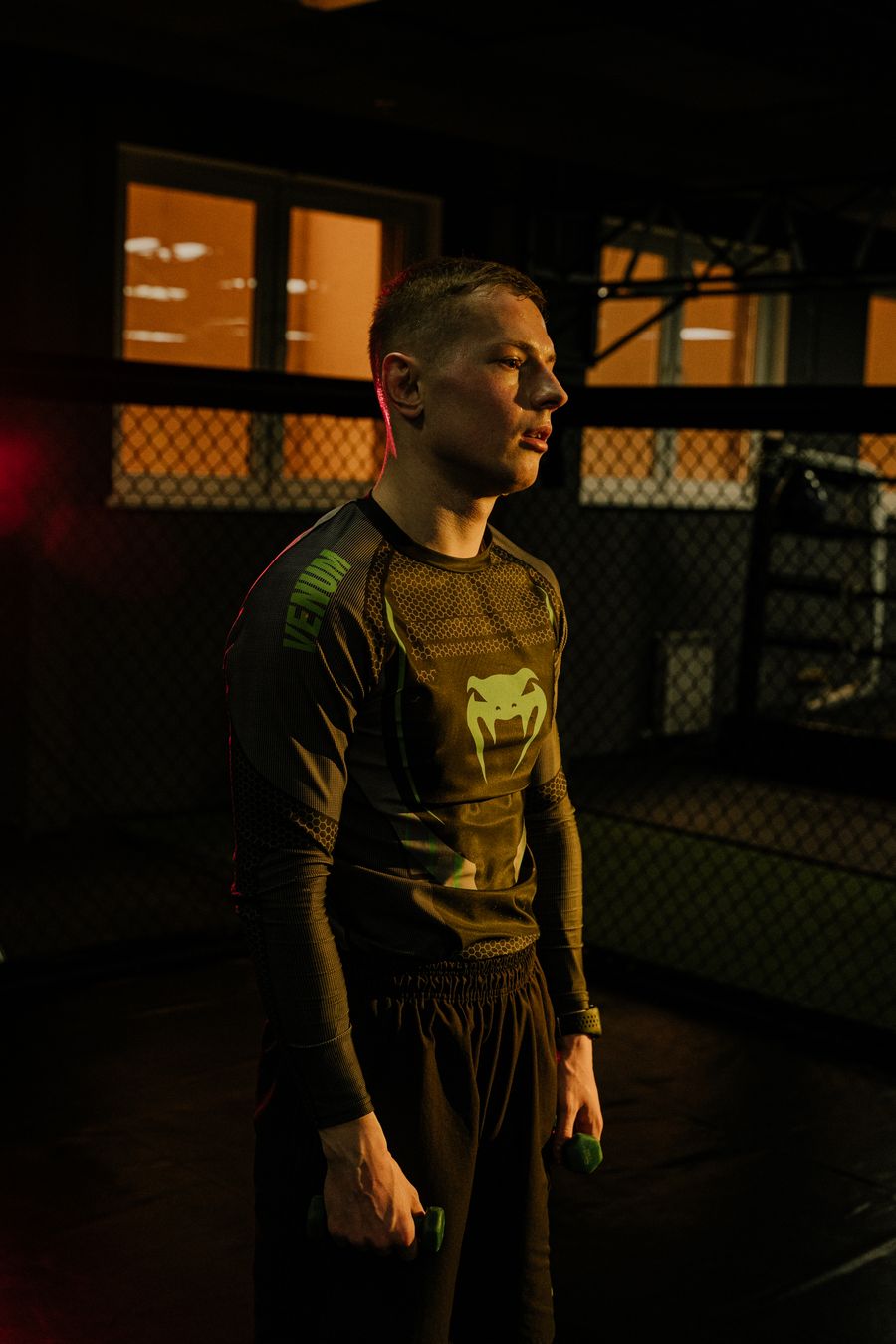
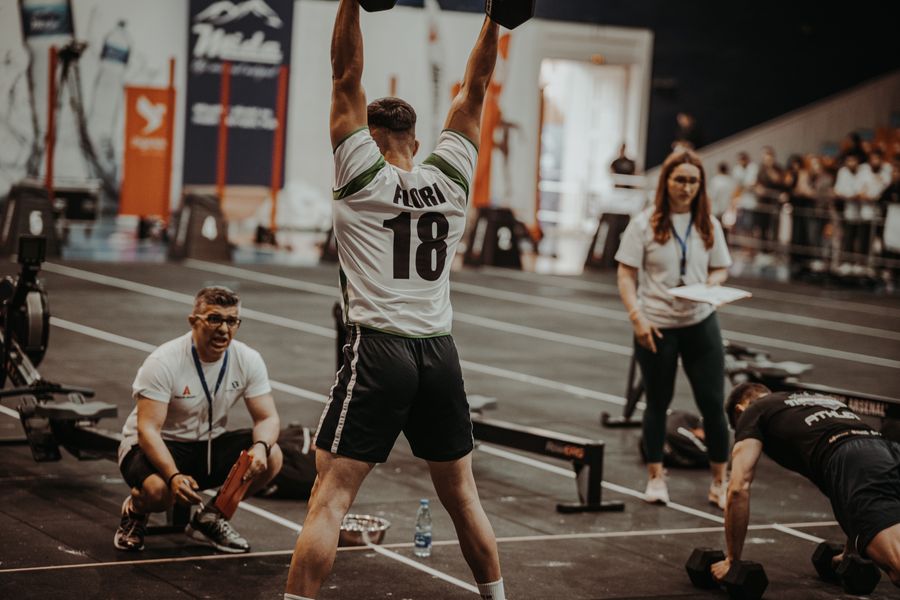
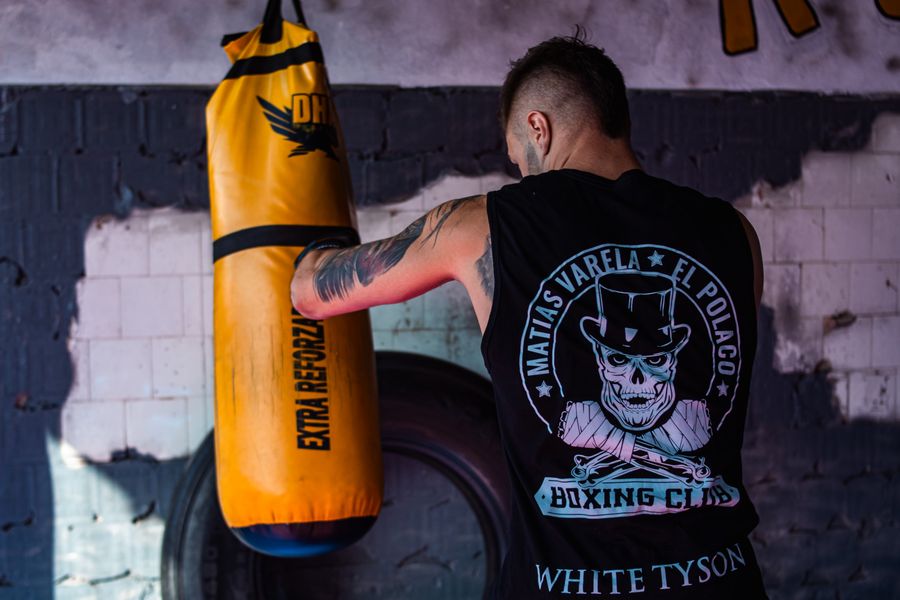
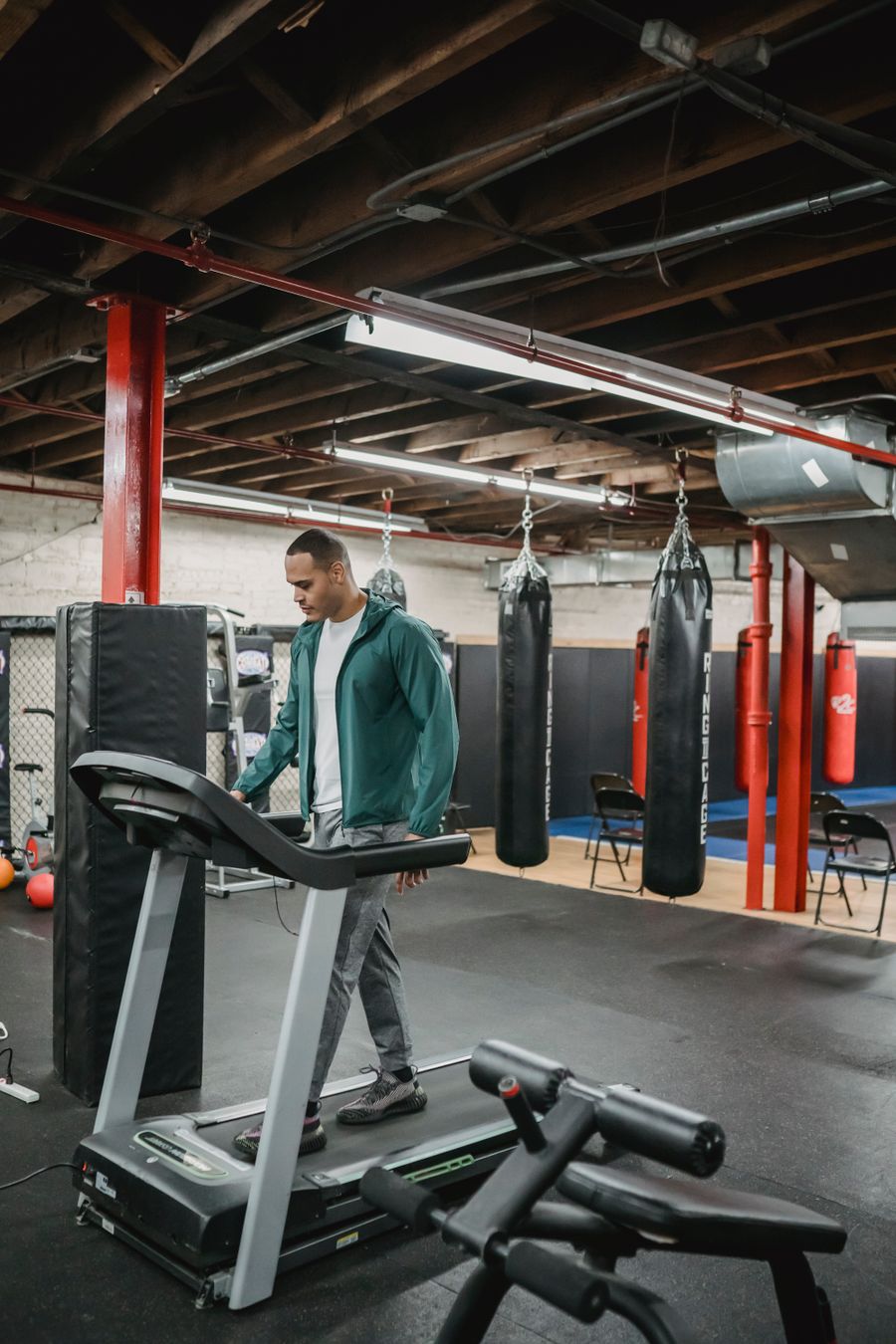


Strength is only one dimension of physical performance.
Running and conditioning challenge the cardiovascular system while developing rhythm, movement efficiency, endurance, and—when sprinting is involved—speed.
Different Running Goals Need Different Training
A distance-focused runner will train differently from an athlete preparing for short accelerations.
Steady running develops different qualities from repeated sprints or change-of-direction work.
Recognizing the goal helps determine which equipment is useful.
Tools for Speed Development
Athletic performance equipment can make speed sessions more structured.
Useful options include:
- Agility cones
- Agility ladders
- Sprint resistance belts
- Resistance parachutes
- Training hurdles
- Reaction lights
- Weighted sleds
These tools can help organize drills involving acceleration, coordination, footwork, and movement control.
Indoor Cardio Has a Place Too
Outdoor running is not always practical.
Treadmills, walking pads, exercise bikes, rowing machines, vertical climbers, and stair steppers provide alternatives for structured indoor conditioning.
A balanced fitness store should serve both athletes seeking performance and customers simply looking to become more active.
Strength Training Supports the Bigger Picture
Runners can also benefit from general strength development.
Squats, lunges, resistance-band exercises, calf training, and core work can be incorporated alongside running depending on individual goals.
Recovery Is Part of Conditioning
Repeated running sessions create fatigue just like weight training.
Mobility work, adequate rest, proper nutrition, hydration, and sensible scheduling all contribute to sustainable training.
Fitness Should Travel Beyond One Modality
The most complete training programs usually combine multiple qualities.
Strength, cardio, mobility, speed, balance, and recovery all contribute to physical capability.
Running remains one of the simplest expressions of that broader athletic foundation.