
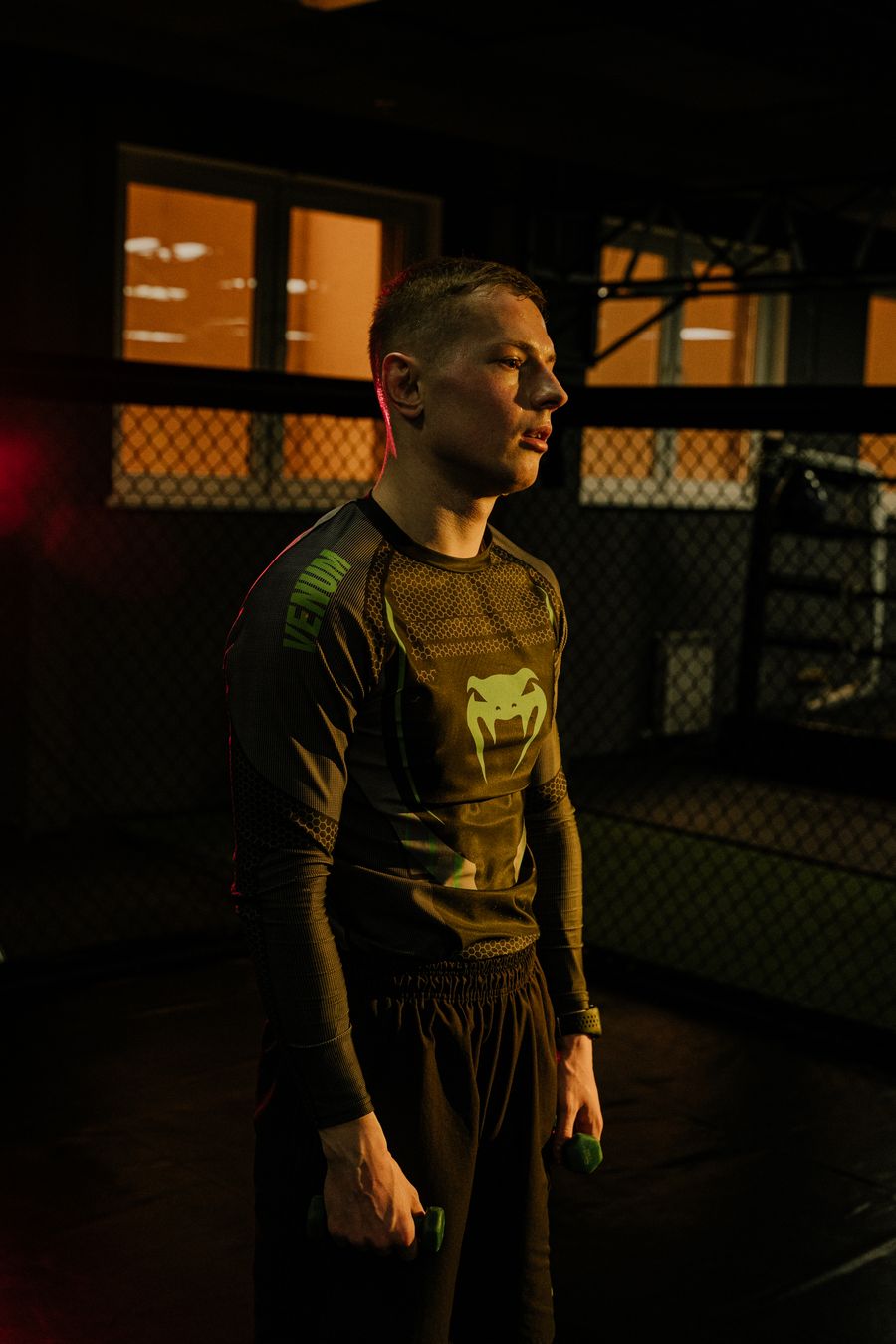
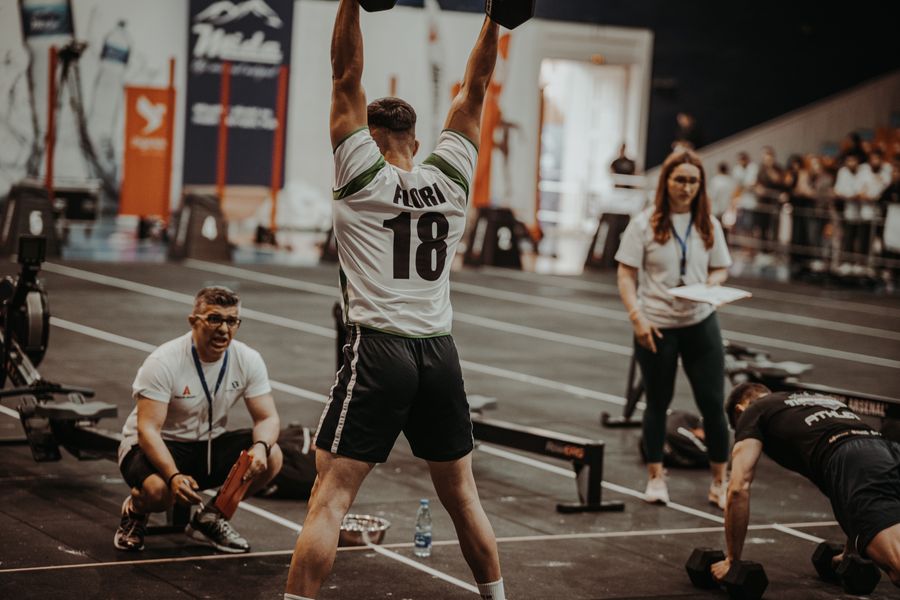
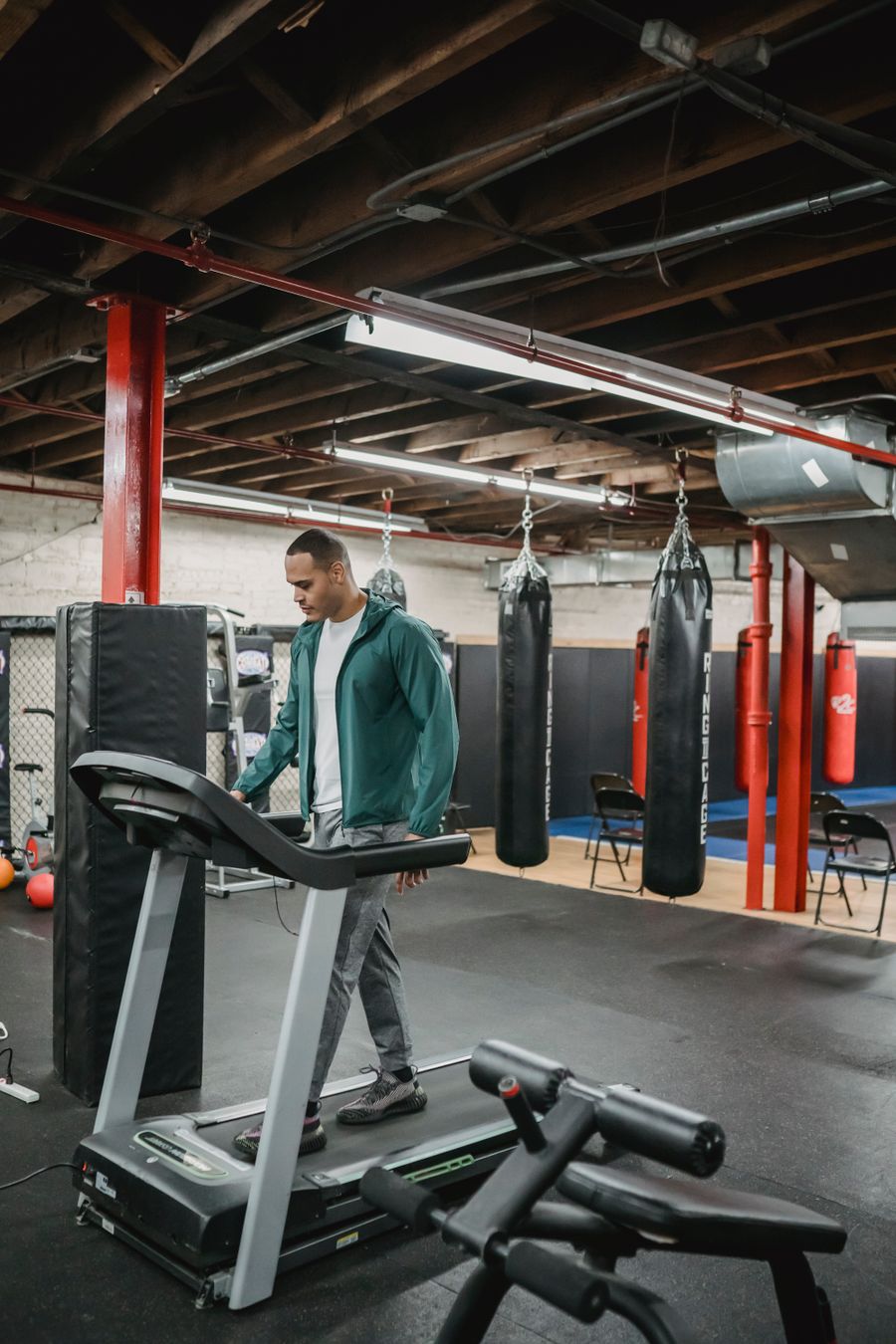


Hard training receives most of the attention in fitness, yet consistent performance also depends on what happens between sessions.
Recovery does not mean avoiding activity. It means giving the body enough time, movement, nutrition, hydration, and rest to prepare for the next training demand.
A well-designed fitness environment therefore includes more than barbells, treadmills, and resistance machines. It should also provide tools that support mobility and recovery.
Why Recovery Deserves Its Own Space
Strength workouts, sprint sessions, conditioning circuits, and sports practices all create fatigue.
Without sufficient recovery, training quality may decline. Athletes can feel less prepared, less coordinated, and less motivated for subsequent sessions.
Creating a deliberate post-workout routine helps establish consistency.
Foam Rollers and Self-Massage Tools
Foam rollers are among the most familiar recovery accessories because they are simple, portable, and easy to incorporate into mobility routines.
Massage balls can provide more targeted contact for smaller areas, while massage sticks offer another practical option.
Percussion massage devices can also be incorporated into general muscle recovery routines when used according to manufacturer guidance.
These products should complement sensible training habits rather than replace professional assessment when pain or injury is present.
Stretching and Mobility
Mobility is not a competition to see who can stretch the farthest.
The goal is usable movement quality.
Stretching straps, slant boards, yoga blocks, and exercise mats can provide support during controlled mobility routines.
Some athletes prefer performing mobility work after training, while others dedicate separate sessions to it.
Active Recovery
Complete inactivity is not always necessary after demanding sessions.
Light walking, easy cycling, controlled mobility, or low-intensity movement can help athletes remain active without repeating the intensity of their primary workout.
The appropriate approach depends on individual training load and recovery needs.
Sleep and Nutrition Still Matter Most
No recovery accessory can compensate for consistently poor sleep, insufficient food, inadequate hydration, or excessive training volume.
Equipment should support the recovery process—not distract from its fundamentals.
A balanced approach combines appropriate rest with well-planned training and optional recovery tools.
Create a Dedicated Recovery Zone
Home gyms often focus entirely on the workout itself. A small recovery corner can make the space more complete.
Consider keeping together:
- Foam rollers
- Massage balls
- Stretching straps
- Yoga or exercise mats
- Slant boards
- Mobility bands
- Percussion massage tools
Making these products easy to access increases the likelihood that recovery work becomes part of the routine.
Train Hard, Recover Intelligently
Long-term progress rarely comes from one extraordinary workout. It comes from repeatedly performing productive sessions while managing fatigue responsibly.
For athletes, fitness enthusiasts, and home-gym users alike, recovery should be treated as part of training rather than something that happens only when soreness becomes uncomfortable.