
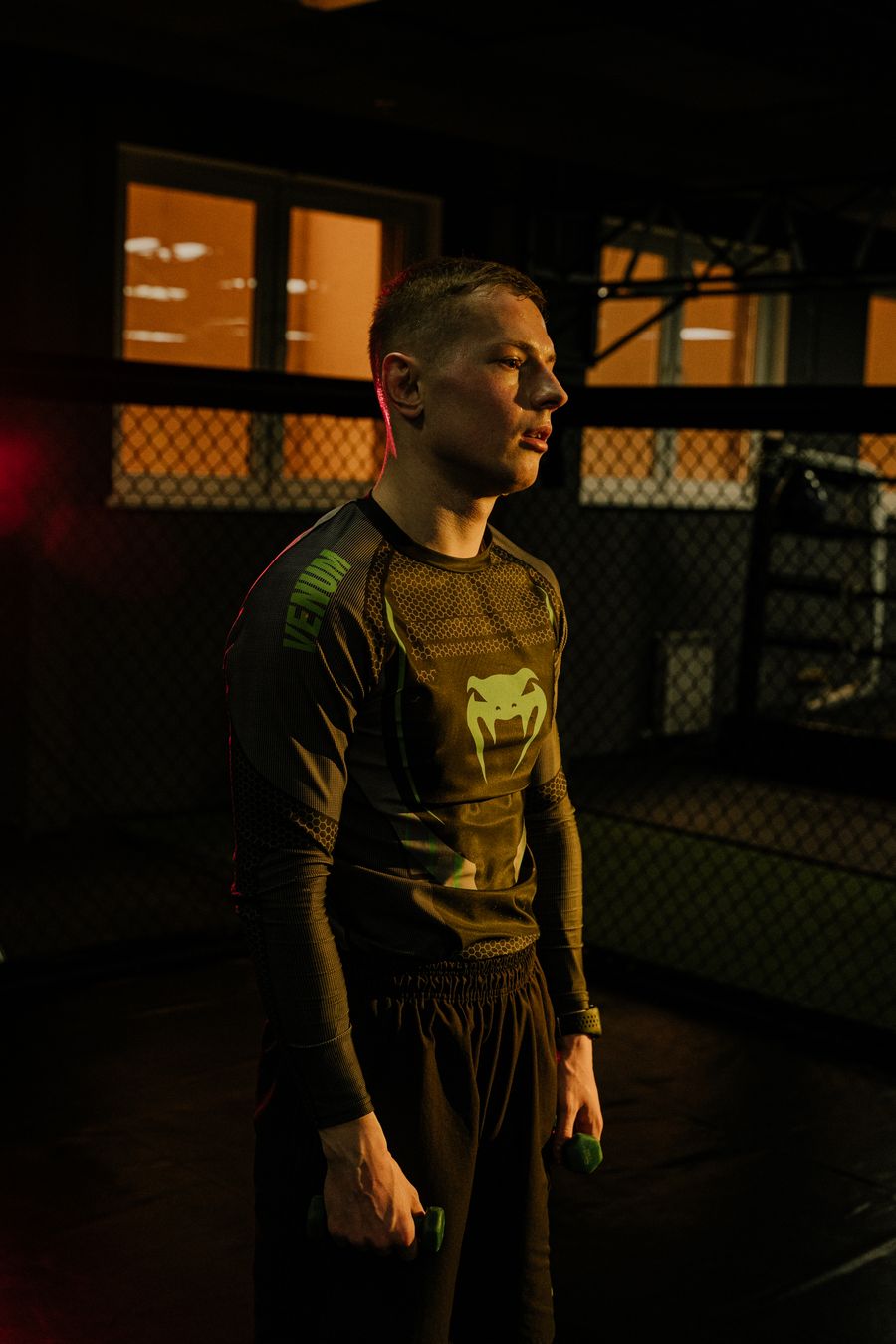
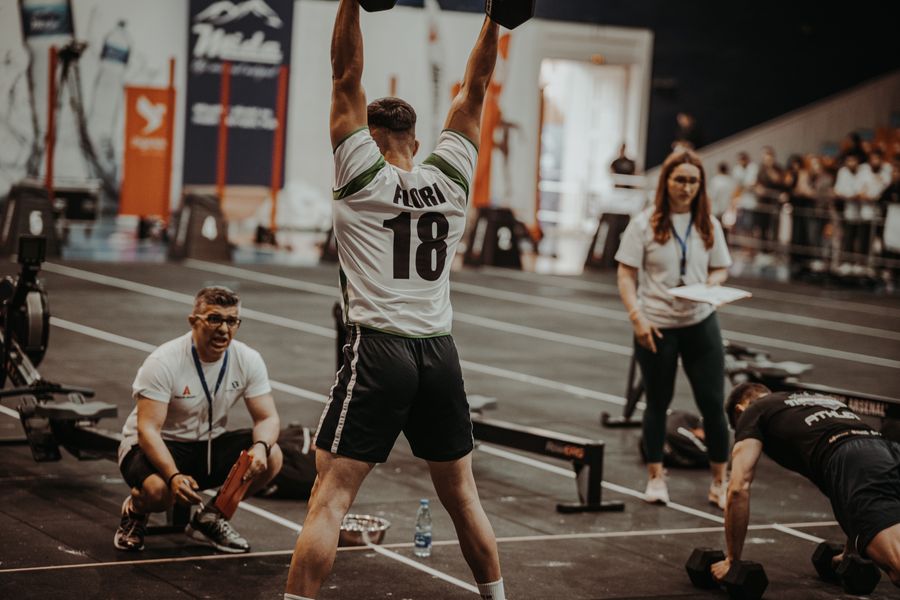
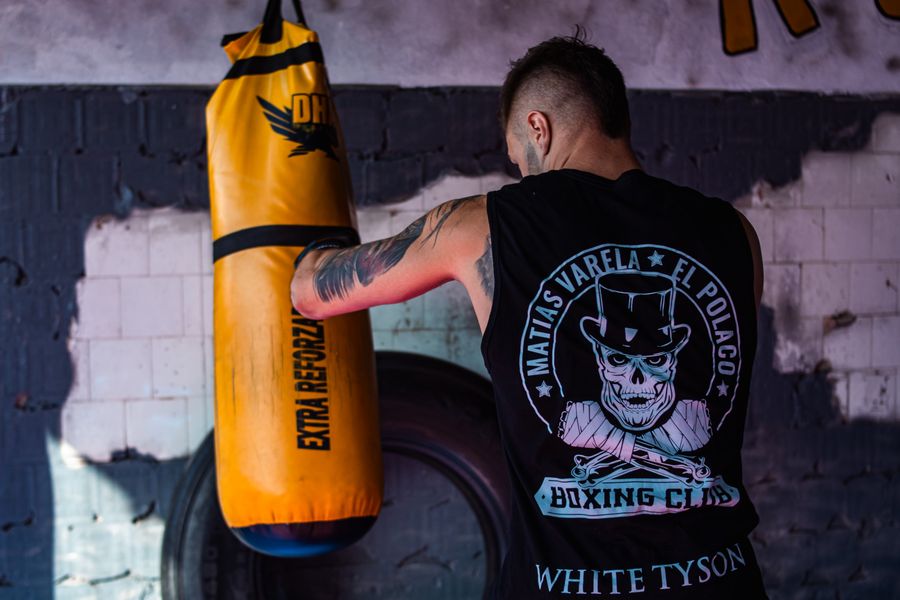
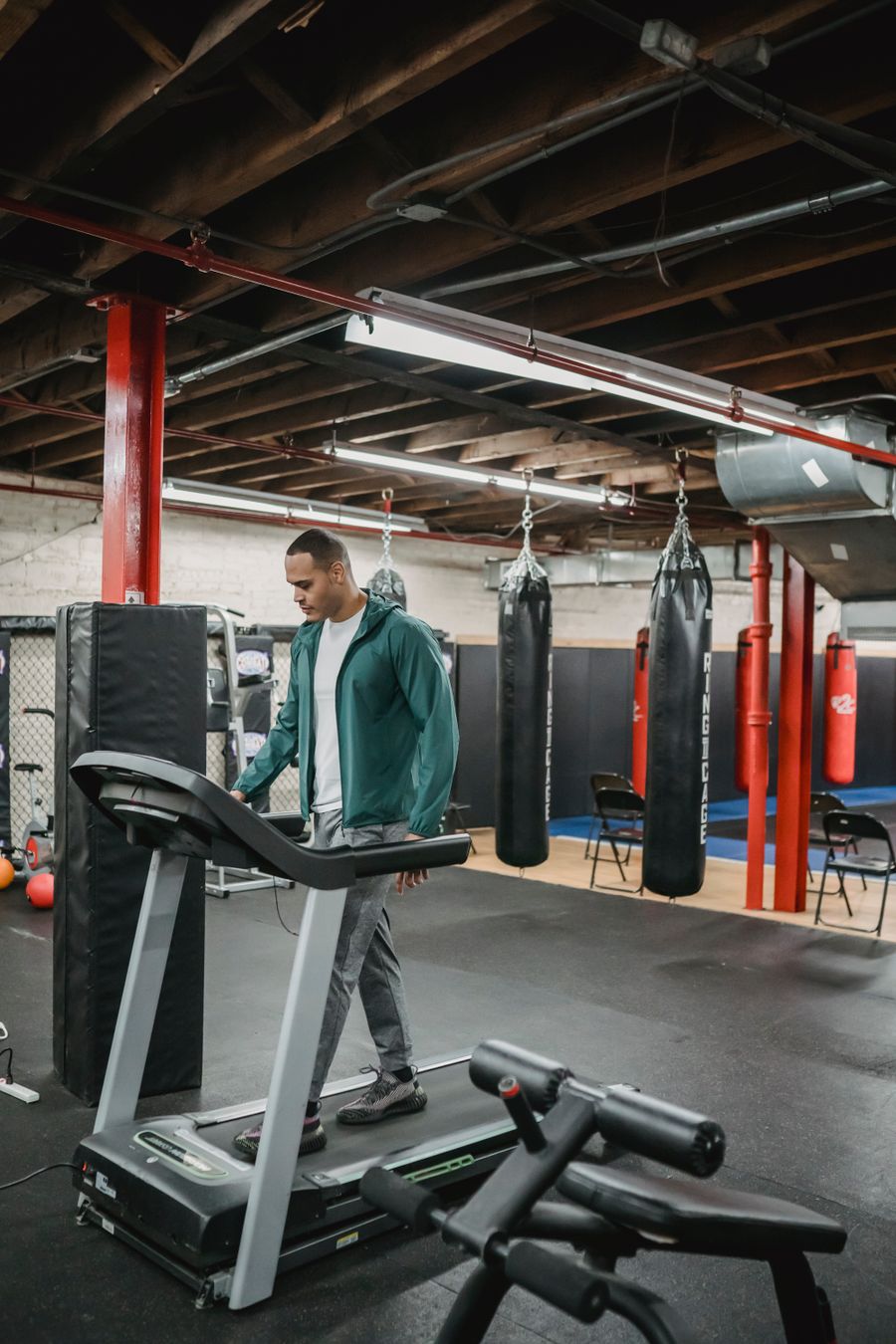


Finishing the final repetition does not necessarily mean the training session needs to end immediately.
Many athletes use the period following strength training to gradually transition from high-intensity work into lighter movement, mobility, and recovery.
A cool-down does not need to be complicated. What matters is that it fits the athlete's needs and does not become another exhausting workout.
Moving from Intensity to Recovery
After demanding lifting or conditioning, several minutes of lower-intensity movement can create a more deliberate finish to the session.
This may include easy walking, controlled breathing, light cycling, or gentle mobility work.
The objective is not to force extreme flexibility. It is simply to restore comfortable movement after repeated loaded positions.
Mobility Tools That Fit Strength Training
Several compact products can support post-workout routines:
- Foam rollers
- Stretching straps
- Exercise mats
- Slant boards
- Resistance bands
- Massage balls
- Mobility floss bands
These tools take up relatively little space and can easily be stored near a home gym.
Focus on the Areas You Actually Train
A lower-body strength session may be followed by light mobility for the hips, ankles, and legs.
After pressing and pulling workouts, athletes may prefer controlled upper-body mobility.
Recovery routines do not need dozens of exercises. A few movements performed consistently can be easier to maintain than an elaborate routine that gets abandoned.
Avoid Turning Recovery into Another Competition
More stretching is not automatically better.
Mobility should feel controlled. Sharp pain or unusual symptoms should not be treated as something to push through.
Training equipment can support general wellness and fitness routines, but persistent pain or suspected injury should be evaluated appropriately.
Recovery Supports Consistency
The real value of mobility work is not creating a dramatic short-term effect. It is helping athletes maintain a routine that supports repeated training.
Progress comes from weeks and months of consistent work.
That makes recovery accessories an important part of a complete fitness equipment lineup rather than an afterthought.