
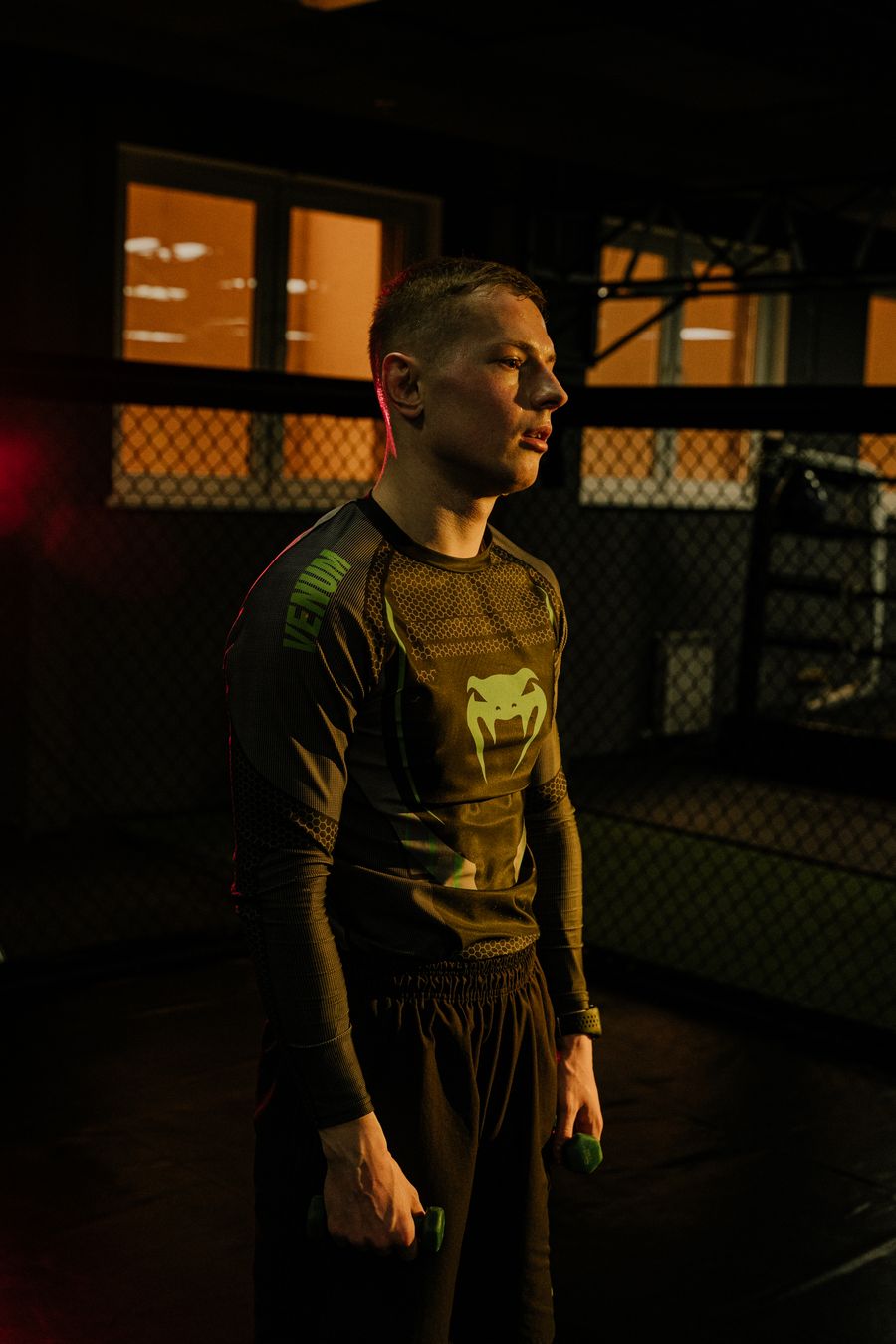
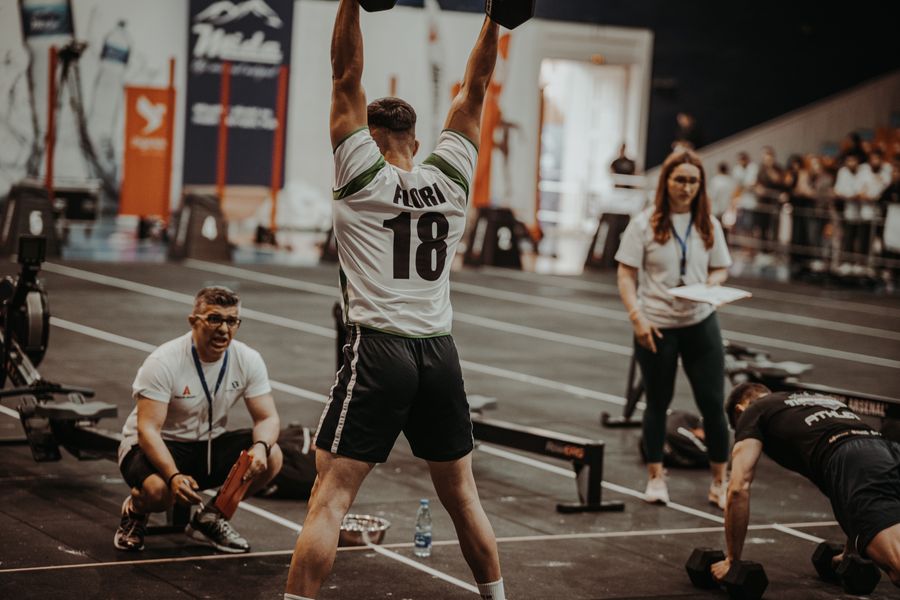
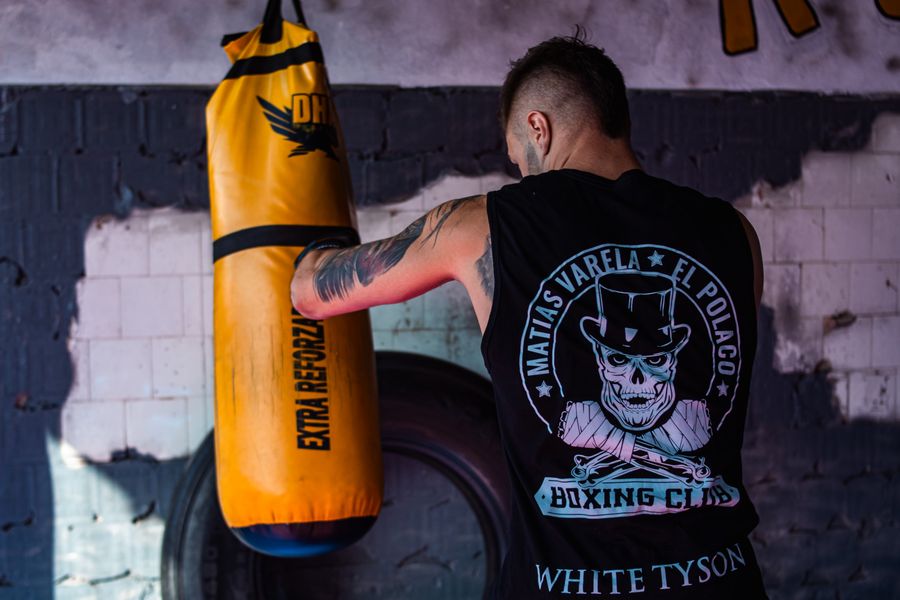
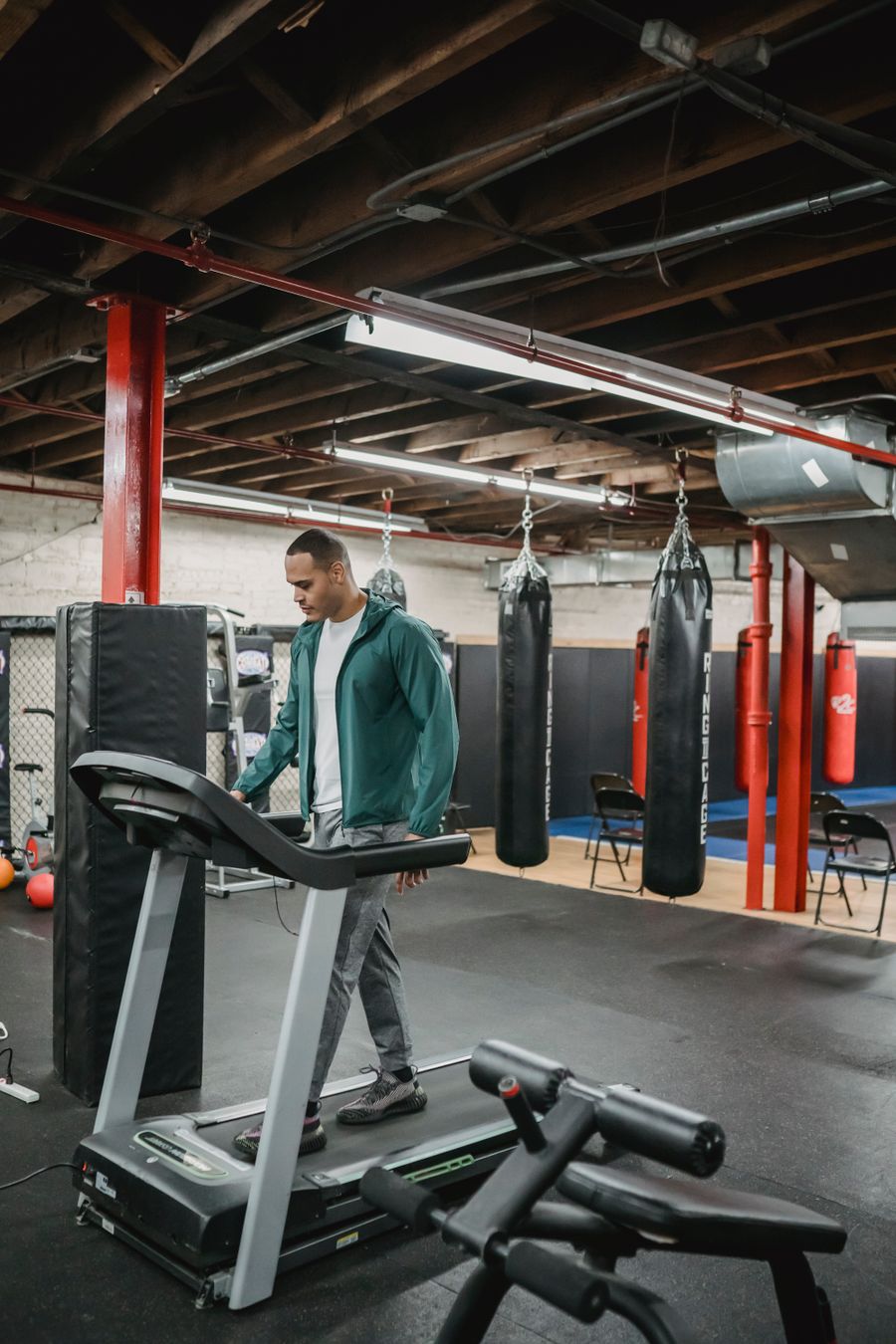


Functional training is best understood not as a single workout style, but as an approach that develops physical qualities through purposeful movement.
Pushing, pulling, carrying, lifting, rotating, stabilizing, and moving through space can all form part of functional fitness.
The image above also reflects an important principle: athletic training can be adapted around different bodies, abilities, and goals. Performance is not defined by one appearance or one method of movement.
Train Movements, Not Just Muscles
Traditional resistance exercises often target specific muscles. Functional training commonly combines several areas at once.
A sled push, farmer's carry, sandbag lift, battle-rope interval, or tire-style exercise requires multiple systems to coordinate.
Adaptability Is a Strength
Training should be adjustable.
Resistance, movement range, exercise selection, equipment height, and workout structure can all be modified according to the athlete.
That adaptability is valuable for beginners, experienced athletes, older adults, and people returning to activity under appropriate guidance.
Equipment for Functional Training
A versatile training environment might include:
- Sandbags
- Weighted sleds
- Farmer's carry handles
- Kettlebells
- Medicine balls
- Resistance bands
- Battle ropes
- Plyometric boxes
- Suspension trainers
Unlike single-purpose machines, many of these products can support multiple exercises.
Capability Is the Goal
Functional training should ultimately improve what someone can do.
That may mean becoming stronger, carrying loads more comfortably, developing better conditioning, moving with more confidence, or improving sport performance.
Build Training Around the Individual
There is no universally perfect exercise.
Good programming selects movements that match the athlete's current ability, environment, and objectives.
This principle makes functional equipment particularly valuable because it can often be scaled without changing the fundamental exercise.
Stronger Training Through Inclusion
A modern fitness brand should represent performance broadly.
Training equipment should support people pursuing strength, independence, competition, recreation, and personal progress in many different ways.